

27 Oct 2026
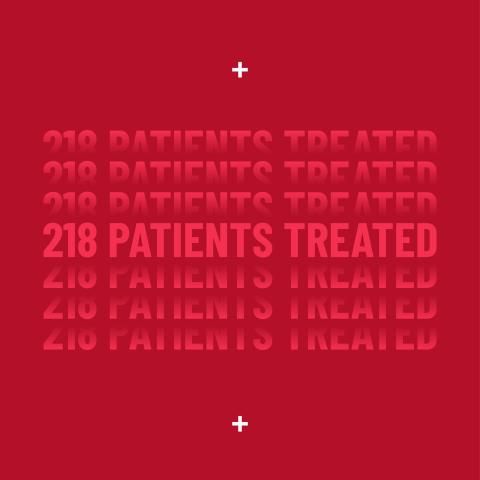
In August 2026, our team – who are operational 24/7, 365 days a year – treated 218 patients across London.
These individuals were so critically injured that they did not have time to make it to hospital: they needed hospital-level treatment on scene. Our team therefore administered 52 arterial lines, 51 rapid sequence intubations, 22 blood transfusions, three thoracotomies (open chest surgery), one case of REBOA and more potentially life-saving procedures on scene during August. These are treatments only our team can deliver at the roadside in London. Some were innovations that we did out of hospital for the first time in the world – you can read more about these in our history timeline.
Penetrating impact resulted in the most patients during this month: 71 patients (33 per cent). Falls resulted in 52 patients (24 per cent), transport-related injuries resulted in 42 patients (19 per cent), medical-related injuries 26 patient (12 per cent), blunt impact 20 (nine per cent) and other injuries five (two per cent). There were also three patients with unknown mechanisms of injury (one per cent).
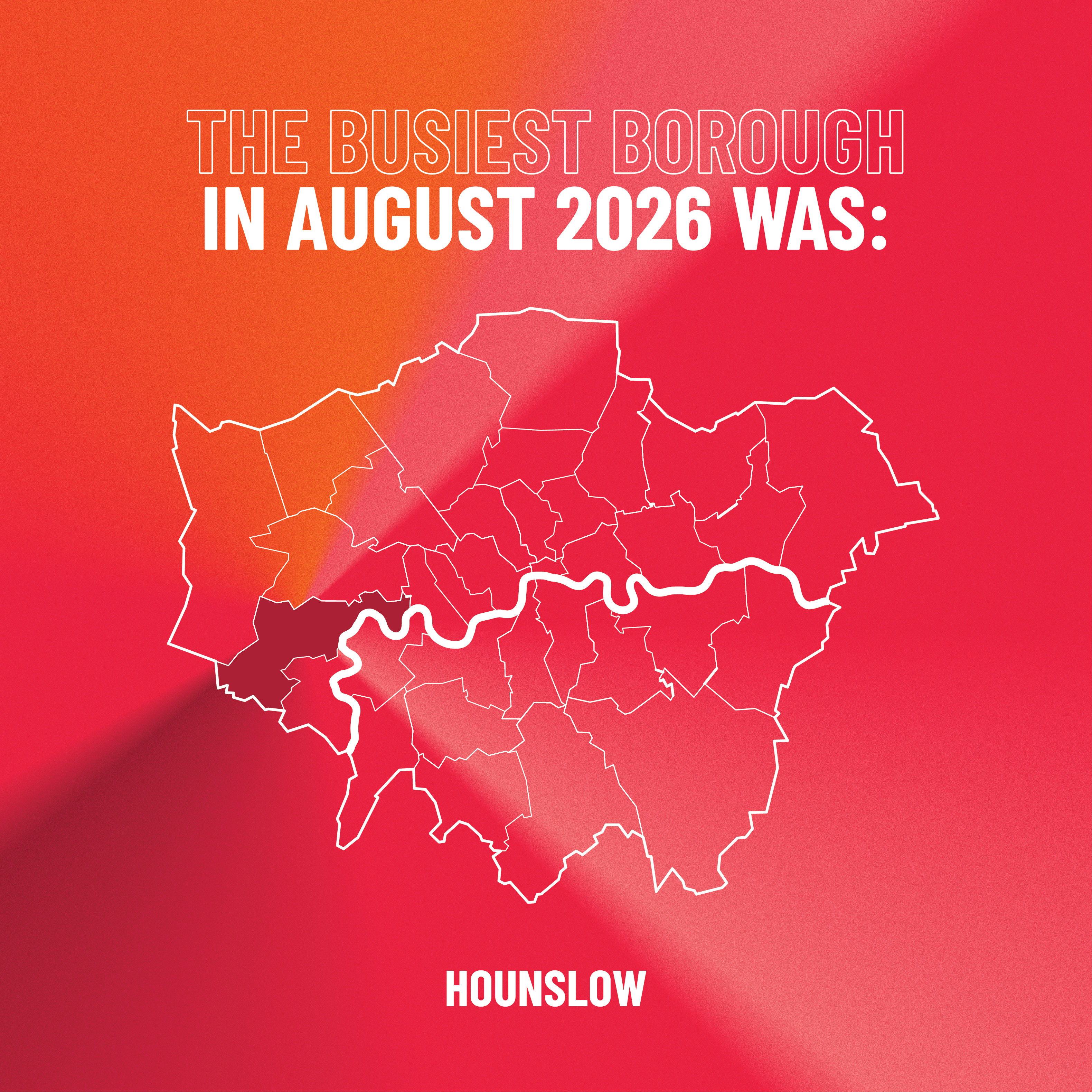
In our fleet of helicopters and rapid response cars, we’re dispatched from The Royal London Hospital and cover the entire area within the M25. During August 2026, we attended Hounslow the most, followed by Barnet, Brent, Ealing, Newham and Westminster.
 Once we’ve stabilised the patient on scene, they’re usually transported to the nearest major trauma centre in a road ambulance. This month, 62 patients were taken to St Mary’s Hospital (38 per cent), 57 patients were taken to The Royal London (35 per cent), 20 to King’s College (12.3 per cent) and 14 to St George’s (8.6 per cent). We flew four patients to hospital during this month, which is incredibly unusual as that’s not our main purpose on scene.
Our mission is to use everything we know, our specialist skills and unmatched experience to save lives and ensure the best outcomes for every one of our patients and their families. We’re continually innovating pre-hospital care, pushing the boundaries of what is possible, so that we can be there for the patient tomorrow that we couldn’t save today.
But we’re a charity: we can’t do it without you.