

14 Sep 2026
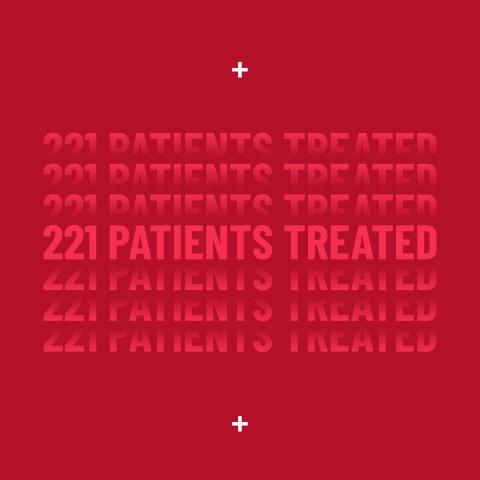
In July 2026, our expert team of medics treated 221 patients, meaning once again we had the busiest month of the year so far.
Treating these individuals, who were so critically injured that they did not have time to get to hospital, involved performing 45 rapid sequence intubations, 41 arterial lines, 25 blood transfusions and three instances of REBOA on scene. We were the first team to successfully provide pre-hospital REBOA in 2018, which is a complex balloon surgery used to help control internal bleeding. This is just one of the firsts our charity has completed; just one of the pre-hospital innovations we have successfully developed to help save more lives in London.
We attend to a variety of incidents across the city, dispatched from our helipad at The Royal London Hospital when we’re needed most. Transport-related incidents were the most common mechanism of injury in July, resulting in 63 patients (29 per cent). Penetrating impact resulted in 62 patients (28 per cent), falls 42 patients (19 per cent), medical-related injuries 20 patients (nine per cent), blunt impact 17 (eight per cent) and other injuries – which can include burns and industrial incidents – 16 (seven per cent). There was also one patient who had unknown injuries.
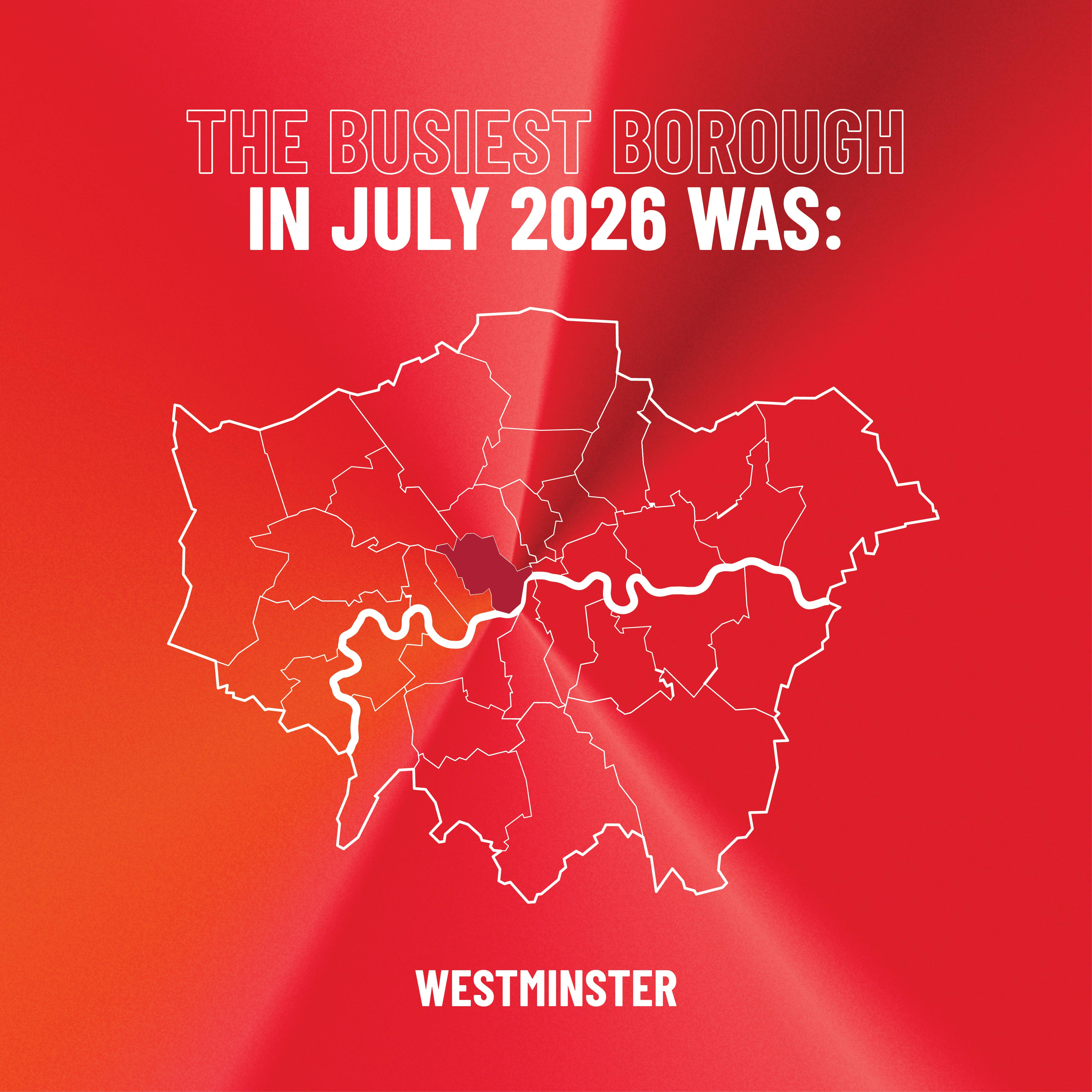 Using our fleet of helicopters and rapid response cars, we can get anywhere within the M25 in under 11 minutes. During this month, Westminster was the most attended borough, followed by Greenwich and then Lewisham and Southwark. Once the patient has been stabilised on scene, we usually accompany them in a LAS road ambulance to the nearest major trauma centre. In July, 51 patients were taken to St Mary’s Hospital (33.6 per cent), 47 patients were taken to The Royal London Hospital (30.9 per cent), 30 patients to King’s College (19.7 per cent) and 16 to St George’s (10.5 per cent). We did not fly any patients to hospital, as this is not our main role on scene.
Trauma doesn’t stop, but with your support, neither we will. But we are a charity, with 95 per cent of our funding reliant on public donations. By donating today, you can help us develop the next medical innovation, ensuring we can be there for the patient of tomorrow.