

24 Nov 2026
In September 2026, our expert team of medics – who have specialist skills and unmatched experience – treated 195 patients.
Transport-related injuries were the most common mechanism of injury this month, resulting in 58 patients (30 per cent). Penetrating impact resulted in 50 patients (26 per cent), falls 41 patients (21 per cent), medical-related injuries 26 patients (13 per cent), blunt impact nine (five per cent) and other injuries eight (four per cent). There were also three patients who had unknown mechanisms of injury (two per cent).
These individuals did not have time to make it to hospital: they needed hospital-level interventions on scene. Our team therefore provided 44 arterial lines, 41 rapid sequence intubations, 25 blood transfusions, one thoracotomy (open chest surgery) and other potentially life-saving procedures. Most of these treatments only our team can deliver on scene in London.
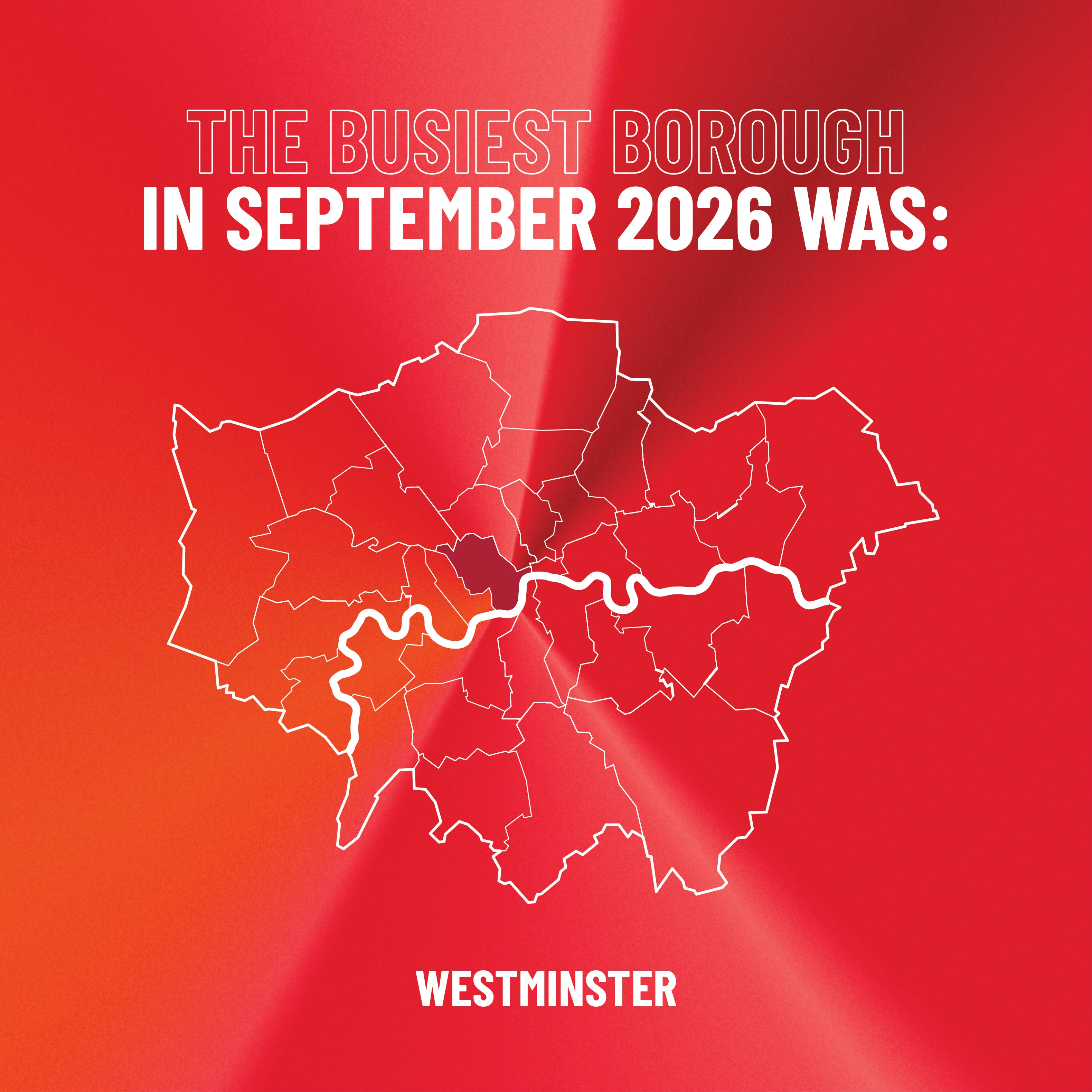
We cover the whole area within the M25 and can fly to any location in this space in under 11 minutes. During September, it was the borough of Westminster that we attended to the most.
Once we’ve stabilised the patient on scene, they’re usually taken to the nearest major trauma centre in an LAS road ambulance. In this month, we took 55 patients to The Royal London Hospital (39 per cent), 37 patients to St Mary’s Hospital (26.2 per cent), 26 to King’s College Hospital (18.4 per cent) and nine to St George’s (6.4 per cent). We flew three patients to hospital this month, which is unusual as this isn’t our main role on scene.
We’re here for London, today, tomorrow, always: we’re innovating and developing pre-hospital care, so that we can push the boundaries of what is possible and save more lives in London.
But we’re a charity, with 95 per cent of our funding reliant on people like you.