

17 Mar 2026
Every day, we treat an average of six critically injured patients across London who need urgent, life-saving care on scene. Trauma changes lives in a second, leaving patients with devastating injuries and families to navigate the long and difficult road of recovery, and in some cases, bereavement.
We therefore employ Patient Liaison Nurses (PLNs) who provide vital support to our patients and their families, helping them piece together what happened that day and what the future holds.
Frank joined the service in 2013, followed by Ellie in 2022 – they cover The Royal London Hospital and King’s College respectively. But with four major trauma centres in London, we’d like to have five PLNs in post to ensure we can support all our patients.
Therefore in 2025, we employed our third PLN, Imogen, who will cover St George’s Hospital. Now she’s been in post for six months, we spoke to her to gain an insight on her experience so far.
What inspired you to become a PLN?
“Previously, I worked in oncology, supporting patients with head and neck cancer. Patients would be on the ward for a long time and I got to know families and become a part of their world and understand the challenges they face.
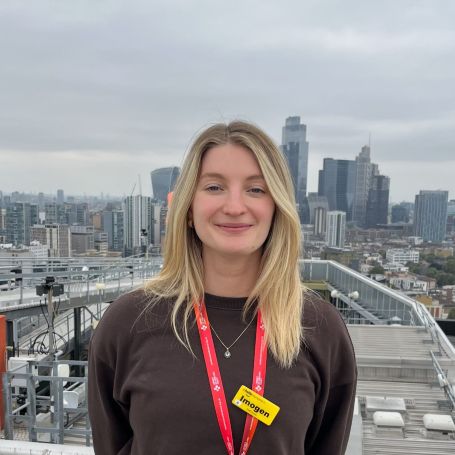
“I now work at St George’s in A&E as the Senior Emergency Care Nurse and have seen the devastating impact of trauma. It’s a real privilege to care for patients and this role allows me to provide a holistic approach to supporting patients and their family members through their recovery.”
How have the first six months in post been?
“With Frank’s guidance, my training began with a workbook which set out the people I would need to meet, including clinical staff and contacts across the charity sector. I have already connected with the Sarah Hope Line (who are there for instances involving Transport for London), the Spinal Association and Headway. I’ve spent time with these charities to see the work they do and how we signpost patients and families for support.
“An important part of my training has been to understand and expose myself to patient experiences, so I’ve been in theatre and observed multiple surgeries. It’s important that I can sit with patients and families and explain what each scar means and why it’s there as well as the treatment they received from the moment they were injured.”
Which moments have stood out to you?
“There have been so many moments that have stood out and it’s been one of the most supportive onboarding experiences I’ve received.
“In A&E, it’s almost impossible to see how patients are doing once they leave. You just hope they will do well. In this role, I’ve seen patients come in when I’ve been working in A&E and been able to follow up and support them. Families have also asked me to share feedback with other A&E colleagues.
"There is one patient that I have seen every week - they just sent me a video of them walking with no aids for the first time. That’s why we do what we do.
“Each day is so varied. I have supported a family who received £2,000 in driving fines whilst their loved one was in hospital and managed to reduce them down to £60. One patient had everything stolen from them during the incident, including their phone, bank cards, ID and cash. I was able to help get them a food bank voucher and a new phone. One patient didn’t have a support system and I was able to help them get involved in community events. This type of support alleviates worries and stress for both patients and families and supports them in their recovery.”
What are you looking forward to this year?
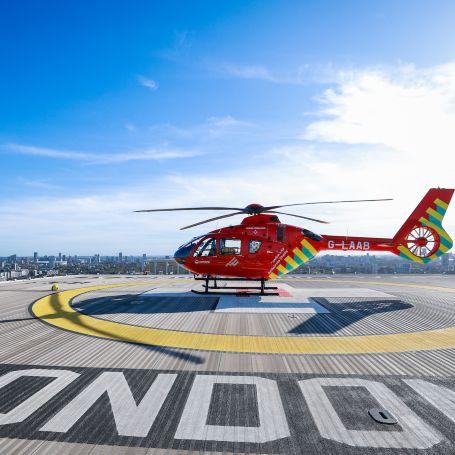
“Next month, I am welcoming a patient that I have supported to the helipad to introduce them to the paramedics and doctors that cared for them on scene as well as the London Ambulance Service team that were there that day. Like A&E staff, London Ambulance Service do not receive much feedback on how patients are doing. They often provided both medical and emotional support on scene and this is a wonderful opportunity to work with them. With our PLN team growing, we can arrange more collaborative meetings as our workload will not be so stretched.”
We’re thrilled to have Imogen in post and look forward to further expanding our PLN team. This not only means that we can visit more of our patients in hospital, but will also enable us to produce more resources for patients and families, some of which you can browse here.
With your support today, we will continue to bring hope for the patient of tomorrow.