

17 Nov 2026
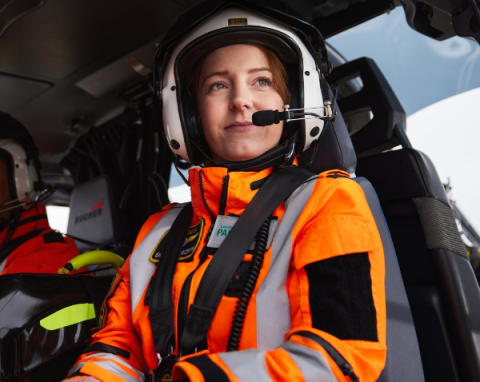
Today’s innovations will become tomorrow’s standard of care. That’s why we’re continuing to develop world-firsts and push the boundaries of what can be delivered in the pre-hospital phase of trauma response.
Last year, we brought hope to patients in cardiac arrest on the streets of London for the first time. Our groundbreaking Endovascular Cardiac Arrest Team (ECAT) provides a vital intervention called extracorporeal membrane oxygenation (ECMO), which temporarily takes over heart and lung function in patients who aren’t responding to standard resuscitation.
At the time of implementation, no other air ambulance service in the UK had this capability, but through our innovation, we secured patients in cardiac arrest enough time for them to be transferred to a specialist cardiac centre for further treatment. You hear more about how ECMO provides hope for these patients below.
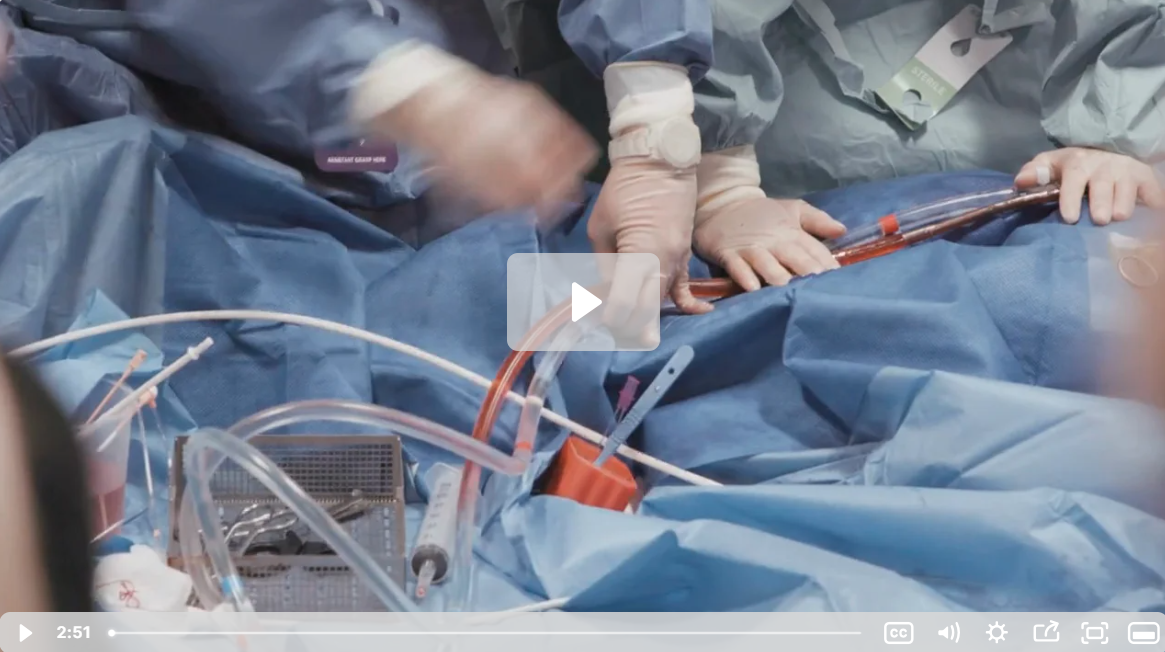
The ECAT team was initially launched on a trial basis, but recently, we received funding from Omaze that has secured this medical innovation for years to come.
The £4.5 million grant received has meant we have expanded our ECAT capability – the team are now operating four days a week, filling a critical gap for patients in refractory cardiac arrest who currently have little to no chance of survival outside of hospital.
We’re building on the success of the trial and running the ECAT service in parallel to our core service for traumatic injury, without compromising on our standards. We’re also training and equipping the dedicated ECAT teams with the skills and kit they need to save lives.
Embedding the service long term, means we are reaching more patients and sharing vital learnings across the UK, enabling other emergency teams to replicate the work being done in London and help expand this life-saving care nationwide.
A UK first and medical innovation, this specialist cardiac arrest team will benefit more than 2,000 Londoners over the next five years.
This is our innovation today. But there are more in our future. We are a forward thinking, pioneering service and we will continue to innovate – developing pre-hospital capabilities to be able to save the patient of tomorrow that we couldn’t save today.