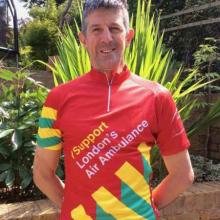
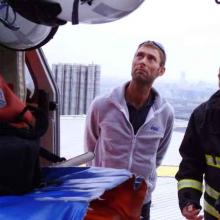
Dave was involved in a road traffic collision while cycling to work. He was hit by and dragged under the vehicle, the front wheel stopping directly on top of his chest.
7 Dec 2018
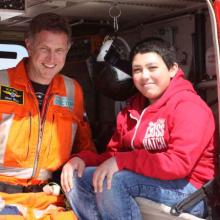
Working as a firefighter Paul was used to attending life threatening incidents. However, in 2007 he found himself in need of help from his emergency services colleagues when he was hit by a truck.
7 Dec 2018
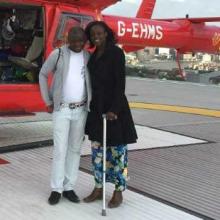
Whilst waiting for the lights to change on a pedestrian crossing, Aderonke was hit by an out of control car.
7 Dec 2018
During a motorbike ride to work, a car clipped the back of Max’s bike and the 22-year-old was flung into the air, landing on his head.
12 Dec 2018
Sonal was just five minutes from home when she was hit by a car. Such was the force of impact, the 35-year-old was thrown the length of two cars.
12 Dec 2018
Andy was thrown from his motorbike and collided with a sign, suffering a traumatic amputation of his right leg and breaking his ribs and an arm.
12 Dec 2018
When Orhan got off the bus, he was hit by a lorry and thrown 80 feet along the road. From then on every minute made a difference to the 13 year old.
12 Dec 2018
Out picking up a parcel, James remembers seeing a lorry and thinking: Please don’t tell me he hasn’t seen me.
12 Dec 2018
Michael slipped off a ladder and plunged from the loft level to the ground floor of his family house while renovating. He landed on his back, breaking six transverse processes in his spine.
12 Dec 2018
Emma decided to take her daughter to the park. She had her flipflops on and was waiting for Mia out on the drive. Minutes later, she was crushed by her own car.